Supply of iron ore

Iron ore sourcing: ore form, chemistry, size distribution and purchasing requirements.

Service Image

Service overview

Iron Ore for Iron and Steelmaking

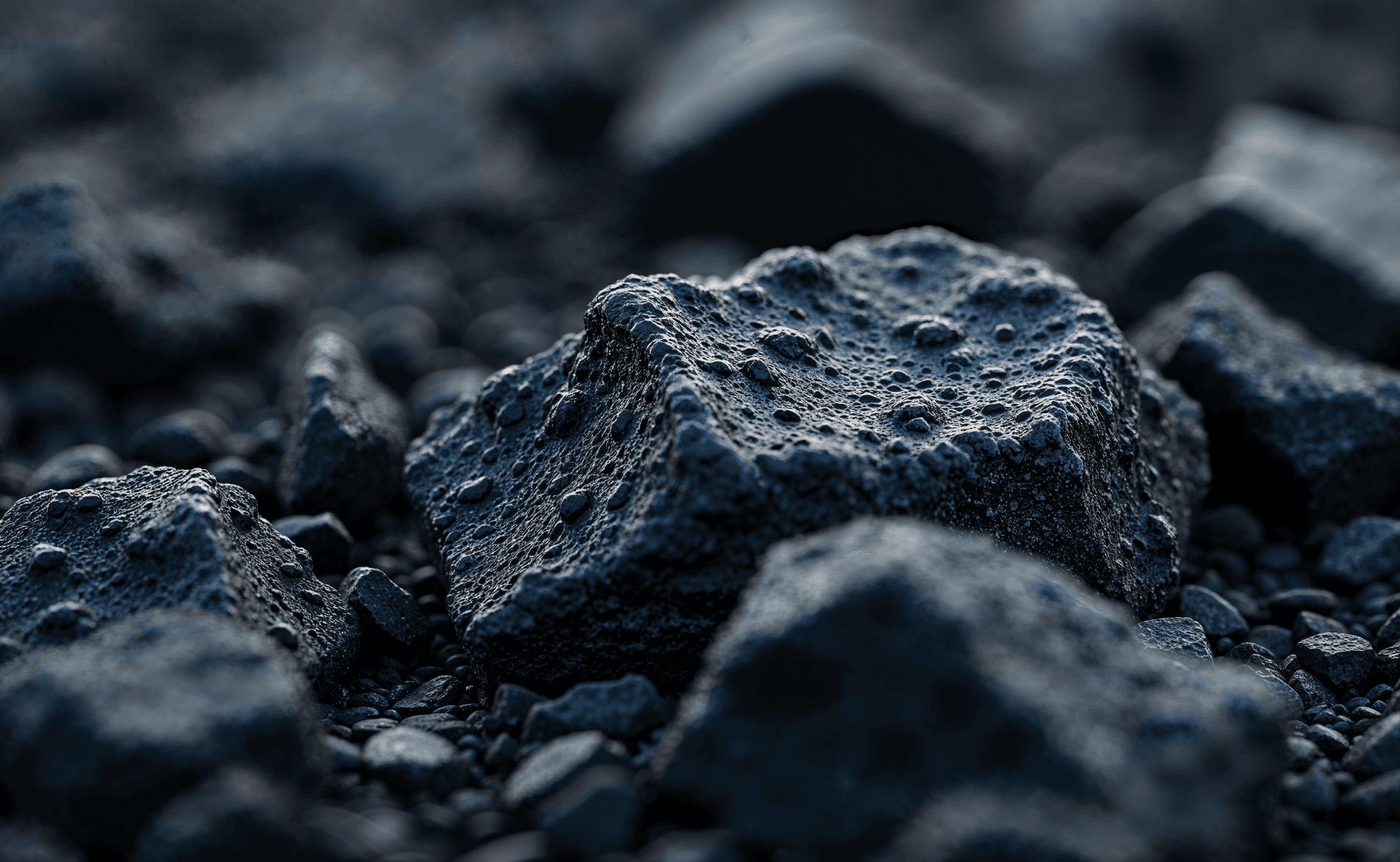
Iron ore is a mineral raw material used to produce iron for steelmaking. Its suitability depends on mineral composition, physical form and the receiving plant’s process requirements. Lump ore and fines are assessed differently, while concentrate and pellets are distinct processed products.

Buyers commonly compare total iron content with silica, alumina, phosphorus and sulphur. Particle-size distribution and moisture also affect material evaluation, handling arrangements and the basis on which quantities are compared.

A useful purchasing specification identifies the required ore form, intended process, chemical limits, size distribution and moisture basis. Analysis reports should state the sampling date, test methods and whether results are reported on a dry or as-received basis.

Feature Icon

Ore Form and Size

Define lump or fines requirements and the required particle-size distribution.

Feature Icon

Ore Form and Size

Define lump or fines requirements and the required particle-size distribution.

Feature Icon

Chemical Analysis

Specify iron and impurity limits, sampling methods and reporting basis.

Feature Icon

Chemical Analysis

Specify iron and impurity limits, sampling methods and reporting basis.

Feature Icon

Handling Requirements

Agree the bulk handling or packaging scope for the material and route.

Feature Icon

Handling Requirements

Agree the bulk handling or packaging scope for the material and route.

Feature Icon

Sourcing and Shipment

Confirm origin, quantity, documentation and shipment terms for each order.

Feature Icon

Sourcing and Shipment

Confirm origin, quantity, documentation and shipment terms for each order.

Capabilities & Features

Product enquiries

Category

Details

Chemical Evaluation

  • Total iron

  • Silica and alumina

  • Phosphorus and sulphur

  • Reporting basis

  • Sampling reference

Physical Characteristics

  • Lump or fines

  • Size range

  • Size distribution

  • Undersize and oversize

  • Moisture

Purchasing Specification

  • Intended process

  • Acceptance limits

  • Sampling method

  • Quantity basis

  • Receiving location

BG Gradient

Simple & Transparent

Our enquiry workflow

Step 1

Share your needs

Step 2

Discuss your enquiry

Step 3

Confirm product details

Common questions

Frequently asked questions

What is the difference between lump ore and fines?

Lump ore consists of larger particles, while fines contain smaller particles. The purchasing specification should define the size boundaries rather than rely on the product name alone.

Which iron-bearing materials are included in the product range?

How should iron ore analysis be assessed?

How are iron ore quantities and shipment terms agreed?

Which industries use your iron ore supply?

Get in touch

Start your product enquiry with our trading team
BG Image