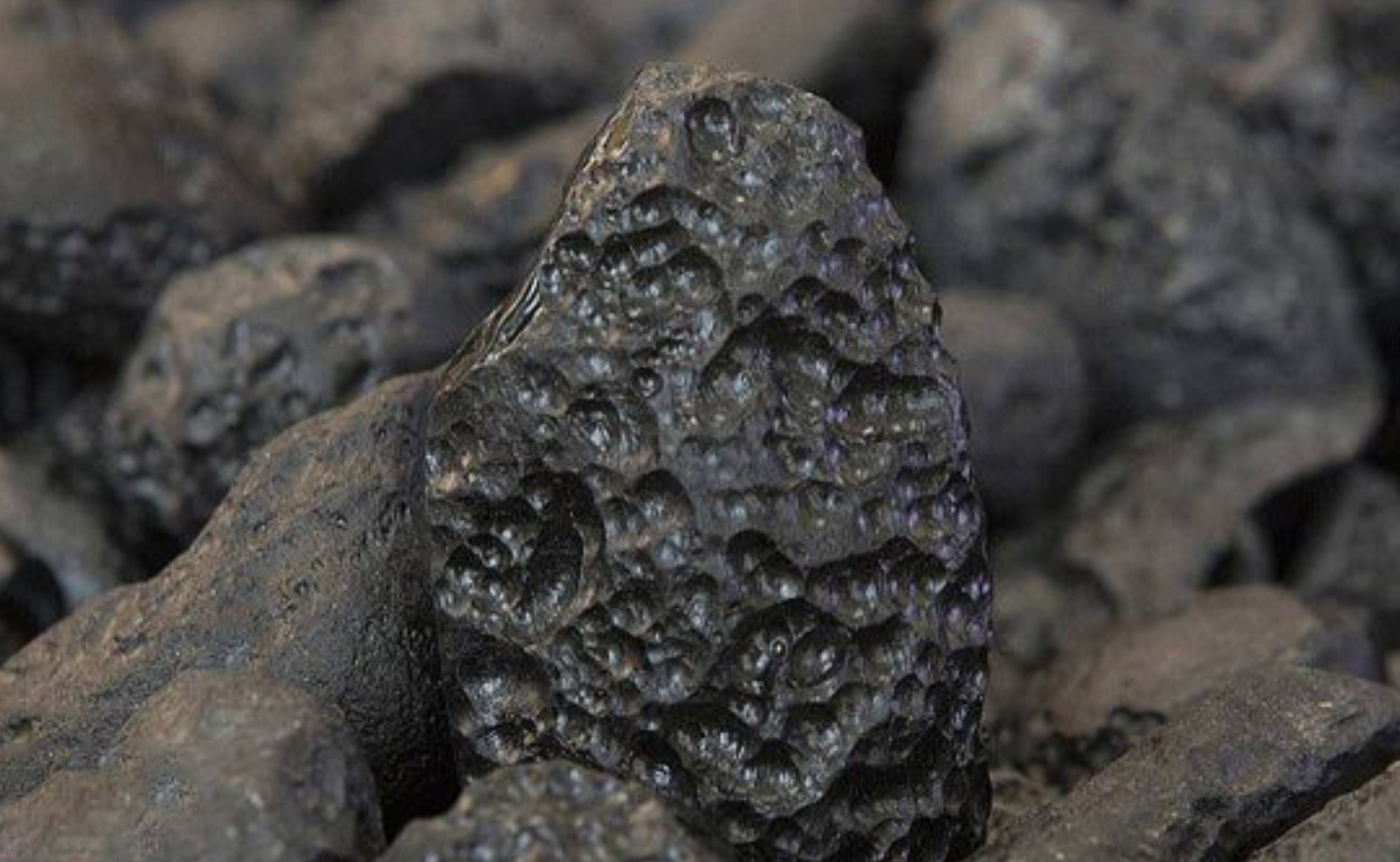
Sourcing and supply of sponge iron

DRI sourcing: metallization, composition, product condition and handling requirements.

Service Image

Service overview

Direct Reduced Iron for Steelmaking

Direct reduced iron, commonly called DRI or sponge iron, is produced by reducing iron oxides without melting the iron. It is used as an iron-bearing feedstock in steelmaking, subject to the requirements of the receiving process.

Total iron and metallic iron describe different characteristics. Metallization expresses the proportion of total iron present as metallic iron. Buyers also evaluate carbon, gangue constituents and the physical form of the material.

Procurement review should include product-specific handling and storage information. Transport classification, applicable requirements and supporting documentation must be established for the actual material and transport mode; the name “DRI” alone does not establish safe carriage conditions.

Feature Icon

Product Form and Condition

Identify the actual DRI form and condition; treatment alone does not establish transport safety.

Feature Icon

Product Form and Condition

Identify the actual DRI form and condition; treatment alone does not establish transport safety.

Feature Icon

Handling and Storage

Requirements depend on the product, its condition and supplier documentation.

Feature Icon

Handling and Storage

Requirements depend on the product, its condition and supplier documentation.

Feature Icon

Metallurgical Characteristics

Review total iron, metallic iron, carbon and gangue analysis.

Feature Icon

Metallurgical Characteristics

Review total iron, metallic iron, carbon and gangue analysis.

Feature Icon

Metallization Requirements

Specify the required metallization and assess suitability for the receiving process.

Feature Icon

Metallization Requirements

Specify the required metallization and assess suitability for the receiving process.

Capabilities & Features

Product enquiries

Category

Details

Metallurgical Parameters

  • Total iron

  • Metallic iron

  • Metallization

  • Carbon

  • Gangue analysis

Physical Form and Condition

  • Product form

  • Particle sizes

  • Fines content

  • Condition at sampling

  • Moisture information


Handling and Transport Review

  • Product identification

  • Handling instructions

  • Storage guidance

  • Applicable classification

  • Required transport documents

BG Gradient

Simple & Transparent

Our enquiry workflow

Step 1

Share your needs

Step 2

Discuss your enquiry

Step 3

Confirm product details

Common questions

Frequently asked questions

Does passivation establish safe DRI transport or storage?

No. Passivation or packaging alone does not establish safe carriage or storage. Requirements depend on the specific product, its condition, documentation, applicable regulations and transport method, and require qualified technical review.

How should DRI and HBI be distinguished?

What determines DRI handling requirements?

How are DRI supply quantities assessed?

Which documentation should accompany a DRI enquiry?

Get in touch

Start your product enquiry with our trading team
BG Image